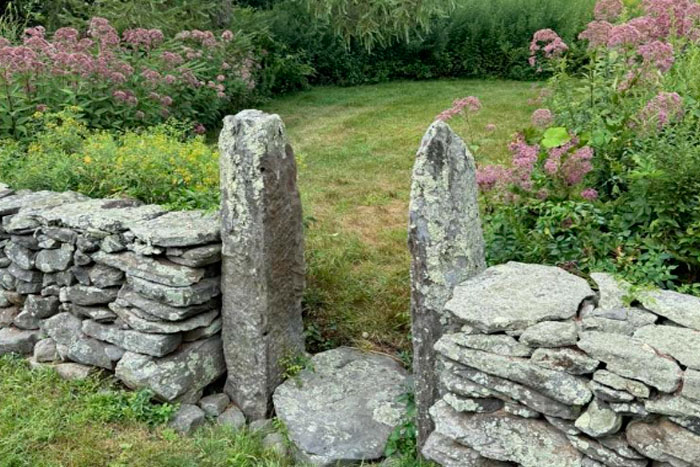
In Vermont, traditional landscaping has long favored neat lawns and non-native shrubs. Although this look is familiar, it often creates costly side effects, such as constant upkeep, increased chemical use, and recurring insect problems. These issues happen because native plants are removed, yet the landscape is still expected to support a native ecosystem. Native insects depend on native plants, and those insects help sustain birds, mammals, amphibians, and healthy soils. When native plants disappear, native insects decline, food webs weaken, and pest problems grow harder to manage. With climate instability increasing, many imported plants struggle even more, surviving only with intensive watering, fertilizing, and pest control. Native landscaping offers a stronger path by replacing failing non-native plants with species that naturally fit Vermont’s conditions. By noticing sunlight, soil, drainage, and exposure, and choosing natives that match those realities, properties can become more resilient, lower-maintenance, and full of life—one yard at a time. Full Blog…