
Blog

Indigenous Communities as Conservation Champions

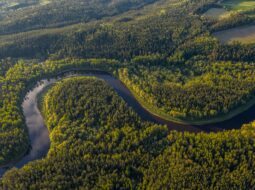
Indigenous territories harbor roughly 80% of Earth’s remaining biodiversity — making Indigenous peoples not just participants, but essential guardians of global ecosystems. Rooted in generations of ecological knowledge and cultural reciprocity, their stewardship offers a proven path toward preserving life on land. By blending ancestral wisdom with the urgency of modern conservation, Indigenous-led protection helps […]

Read More

Re-equipping Indigenous Territories through Food Sovereignty

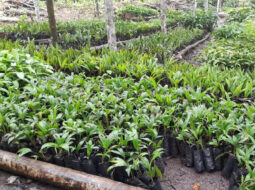
In territories rich in biodiversity, conservation hinges on more than protecting species—it requires empowering communities to define their own food systems. This article reveals how lands stewarded by Indigenous peoples hold around 80% of the planet’s remaining biodiversity, yet face increasing threats from industrial agriculture, climate change, and land encroachment. It argues that proper ecosystem […]

Read More

Designing Roads That Protect Wildlife Migration and Ensure Safer Journeys

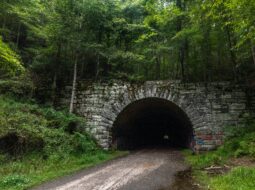
Roadways stretch across continents, connecting cities, communities, and economies. Yet, while they symbolize progress, they also divide landscapes that countless species depend on for survival. Every year, roads disrupt wildlife migration, creating dangerous barriers for animals that need to move between feeding and breeding grounds. As human development expands, road design must evolve to balance […]

Read More

Adam Gebb: Wildlife Road Crossings Are Essential for Creating Conservation Networks

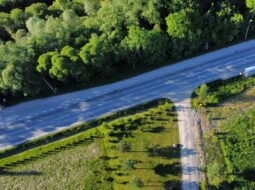
Human development has fragmented most ecosystems into small, vulnerable patches, many of which are now under additional stress from rapid climate change. As a result, the essential migration pathways of countless species have been disrupted, contributing to a growing wave of extinctions. “The very infrastructure that connects our communities is disconnecting wildlife,” explains Adam Gebb in his paper […]

Read More

Designing Cities to Safeguard Wildlife Corridors

As cities grow and develop, they often overshadow the natural world. Urban sprawl leads to fragmented habitats, blocking vital wildlife corridors that animals need for migration, food, and breeding. However, metropolitan areas can protect these essential wildlife corridors, helping to maintain biodiversity and ensuring animals can move safely through the landscape. This article explores the […]

Read More

Threading the Wild: Why Connecting Landscapes Safeguards Our Natural World

In the vast web of life on Earth, everything is connected—predators and prey, trees and rivers, insects and soil, even distant forests and alpine meadows. But in today’s world of sprawling cities, expanding agriculture, and highways slicing through green spaces, the bonds that tie these natural elements together are increasingly at risk. Landscape connectivity, the […]

Read More

The Importance of Landscape Connectivity for Biodiversity

Biodiversity—the variety of life on Earth—is crucial to the health and stability of ecosystems. From forests and grasslands to oceans and wetlands, every ecosystem is composed of complex interactions among species, their habitats, and the environment. However, as human activities continue to fragment landscapes through urbanization, agriculture, and industrial development, the interconnectedness of these ecosystems […]

Read More

Designing Cities for Wildlife: How Urban Planning Enhances Wildlife Corridors

As cities grow, nature often pays the price. Expanding highways, housing, and industrial zones fragment habitats and push wildlife to the margins. But forward-thinking urban design can change that. Urban planning for wildlife corridors offers a powerful solution to support biodiversity, reduce human-wildlife conflict, and maintain the ecological balance within developed landscapes. This approach doesn’t […]

Read More

Conservation Success Through Traditional Knowledge

The Andes and Amazon regions are home to some of the world’s richest biodiversity and most vital ecosystems. Spanning vast mountains, dense rainforests, and intricate river systems, these areas face increasing threats from deforestation, climate change, and unsustainable development. Yet, amidst these challenges, conservation efforts are showing promising results, thanks to an often overlooked but […]

Read More

Connecting Nature: The Role of Urban Planning in Supporting Wildlife Corridors

Urban growth and development have dramatically changed natural landscapes worldwide. As cities expand, wildlife habitats become fragmented, posing serious threats to animal populations and biodiversity. One effective way to address this issue is by integrating wildlife corridors into urban planning. These corridors serve as safe passageways that allow animals to move between fragmented habitats, supporting […]

Read More